Search
- 1. Սփիւռքի կառոյցները միայն բեմ չեն կրնար ըլլալ
-








Սփիւռքի կառոյցները միայն բեմ չեն կրնար ըլլալ
Երիտասարդութիւնը կրնայ յայտնաբերել իր դերը, արտայայտել իր ձայնը եւ ի գործ դնել իր կարողութիւնները
Դոկտ. Հրաչ Չիլինկիրեան | »Տարբերակ 21» 6 Մայիս 2025
Քանի մը ամիս առաջ, «Սփիւռքի Մեծ Բացական՝ Ղեկավարութիւն» վերնագրով յօդուածի մը մէջ անդրադարձած էի, թէ ինչպէս Սփիւռքի «դասական» կազմակերպութիւնները խոր ճգնաժամի մէջ են, թէ սփիւռքեան ղեկավարութեան քանակական եւ որակական նօսրացումը հիմնական ու գոյութենական խնդիր է, եւ կառոյցները չեն յարմարած 21-րդ դարու
2025-05-10 - 2. Mapping Language and Identity
-
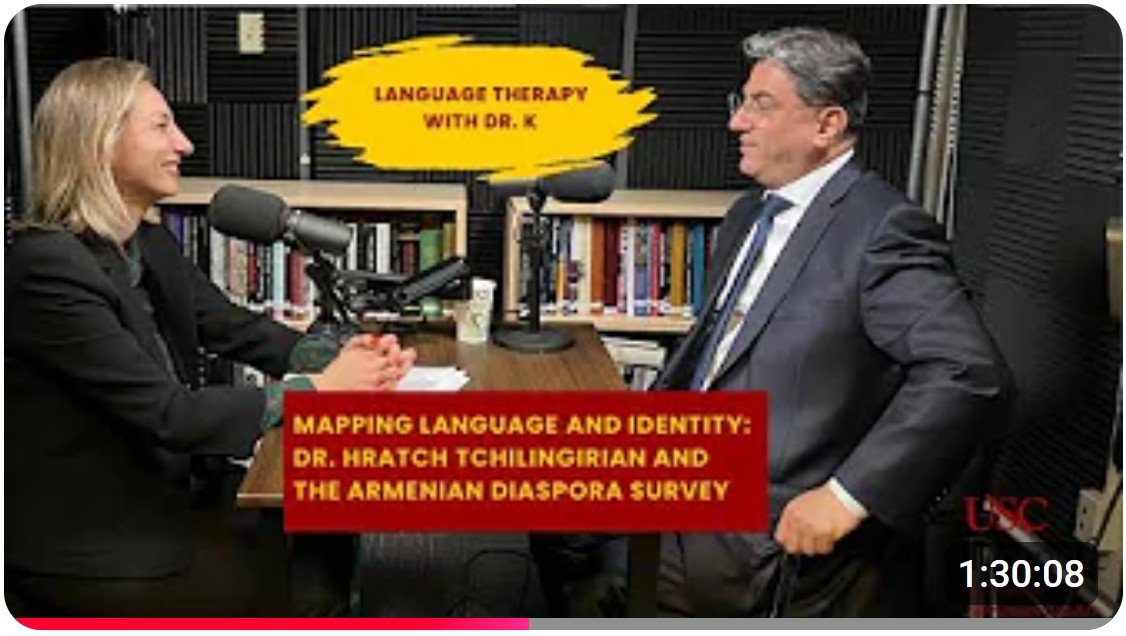
Mapping Language and Identity: Dr. Hratch Tchilingirian and the Armenian Diaspora Survey
""Language Therapy with Dr. K"
University of Southern California, Armenian Studies Institute, 7 May 2025
2025-05-20 - 3. The Last Liturgy
-
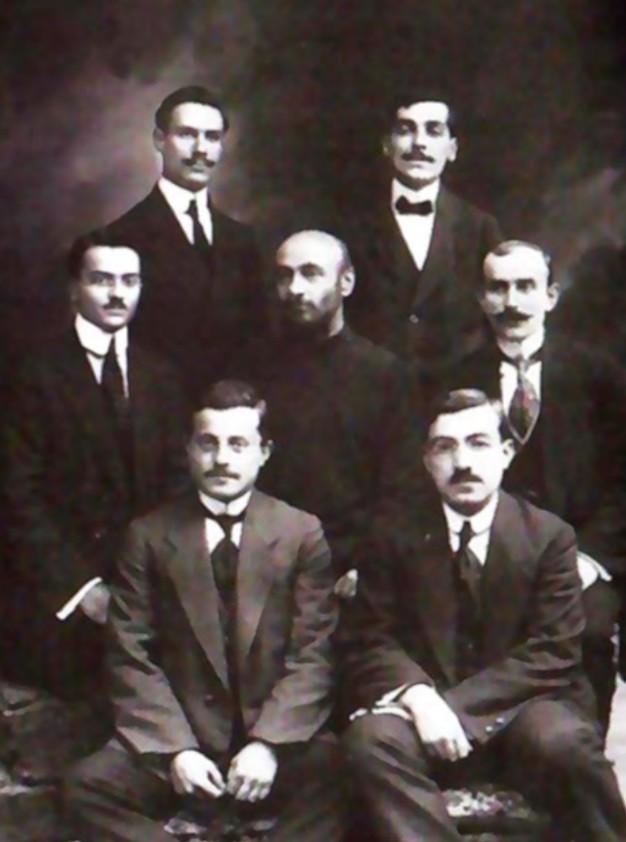
Komitas’s Sacred Harmony Before the Silence, the Last Liturgy
Hratch Tchilingirian | 24 April 2025
During the chaos of World War I in Constantinople, Komitas Vardapet began composing a version of the Armenian Divine Liturgy (Badarak) for a male choir. Due to military exemptions for some educators and church servants, including a few from the Armenian Church in Galata (Istanbul neighborhood), Komitas gathered a group of about 25–30 young men and worked intensely—sometimes day and night—to train them and compose the choral arrangements, carefully crafting each voice part as its own unique melody....
2025-04-26 - 4. Սփիւռքի Մեծ Բացական՝ Ղեկավարութիւն
-

 «Հայրենիք» «Զարթօնք» «Ազգ21» «Արարատ»
Սփիւռքի Մեծ Բացական՝ Ղեկավարութիւն
Հրաչ Չիլինկիրեան | 6 Մարտ 2025
Վերջին տարիներուն, սփիւռքի կառոյցներու եւ ղեկավարութեան հարցը դարձած է աճող եւ մտահոգիչ երեւոյթ մը։ Ապագան մշուշոտ է, իսկ ներկայ վիճակը՝ յուսախաբեցնող։ Մեծի Տանն Կիլիկիոյ Արամ Ա. Կաթողիկոսի բնորոշումով՝ «Կը գտնուինք անդունդի եզրին...
2025-03-10 - 5. Azerbaijan’s International Image-Making Strategies and Challenges
-

Azerbaijan's International Image-Making Strategies and Challenges
EVN Report, 14 January 2025 [Armenian version]
The Azerbaijani state has embarked on a concerted effort to enhance its international image following the Second Karabakh War in 2020 and especially since the subsequent ethnic cleansing of Armenians orchestrated by
2025-01-24 - 6. Dr. Hratch Tchilingirian Appointed Director of Institutional Innovation
-
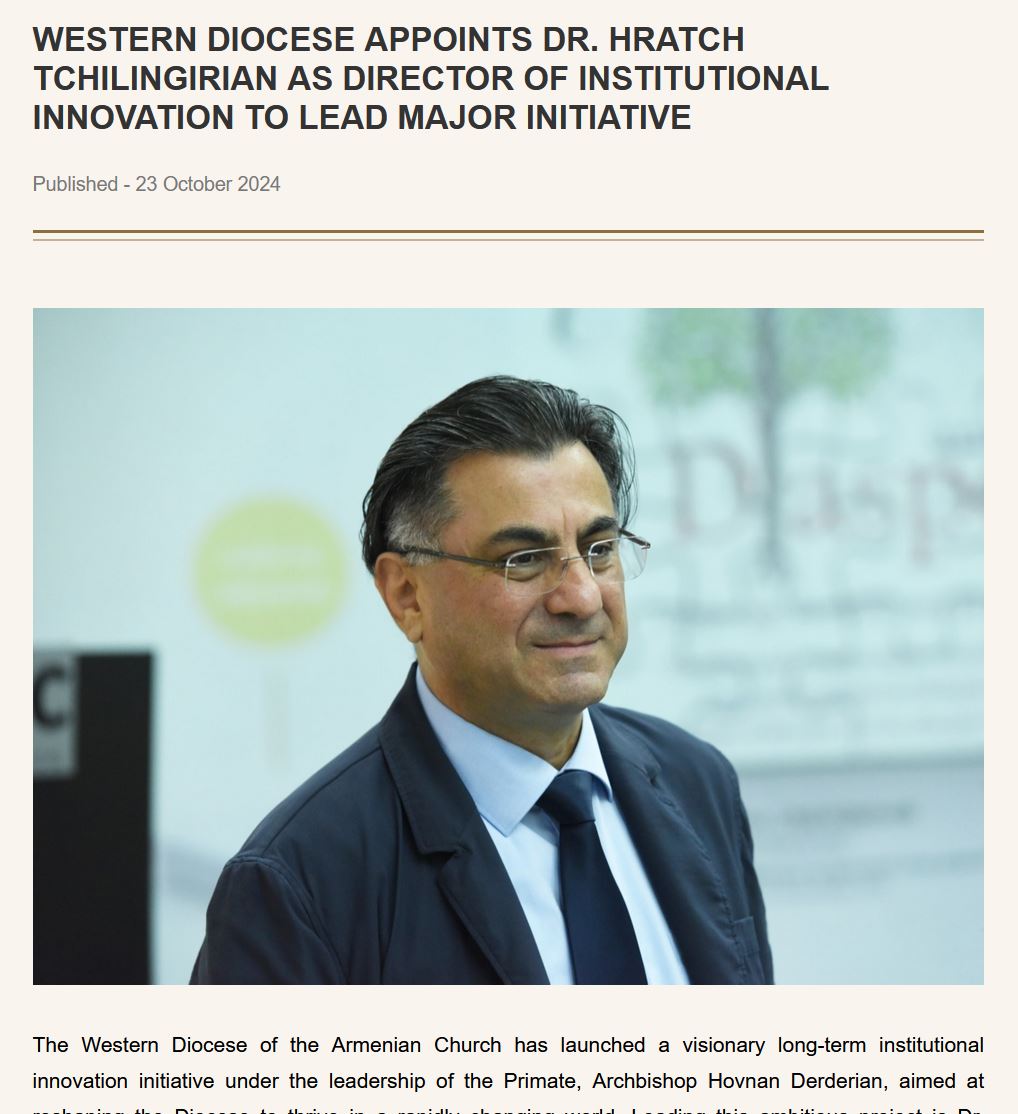
Western Diocese Appoints Dr. Hratch Tchilingirian as Director of Institutional Innovation to Lead Major Initiative
Massis Post, 24 October 2024 | Asbsarez, 24 October 2024
 2024-12-02
 - 7. Diaspora Studies
-
Paper: "Diaspora Studies: Future Directions", Society for Armenian Studies 50th Anniversary Conference, "Armenian Studies: Evolving Connections and Conversations." 13-15 September 2024, Harvard University & NAASR.
2024-09-16 - 8. Հաւասարում Նորոգ
-
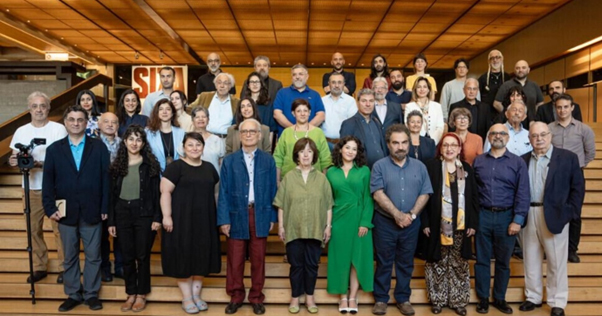
«Հաւասարում Նորոգ Սերունդներու Զրոյց Մը»
... Օրը սկսաւ Հրաչ Չիլինկիրեանի «Հայկական Սփիւռքի Հարցախոյզ»ով։ Չիլինկիրեան մանրամասնօրէն բացատրեց իր աշխատանքին արդիւնքը։ Անշուշտ իրմէ առաջ մտաւորական շրջանակներու մէջ յստակ էր ինքնութեան տարբաղադրումին համատարածութիւնը, գաղափարական տրամադրութիւններուն նուաղումը եւ ընդհանուր վիճակը, կազմակերպութիւններուն վայելած վարկին տկարացումը եւ նսեմացումը։ Իրը թիւերով ցոյց տալ էր վիճակը...
2024-08-06 - 9. Being Armenian is a package
-
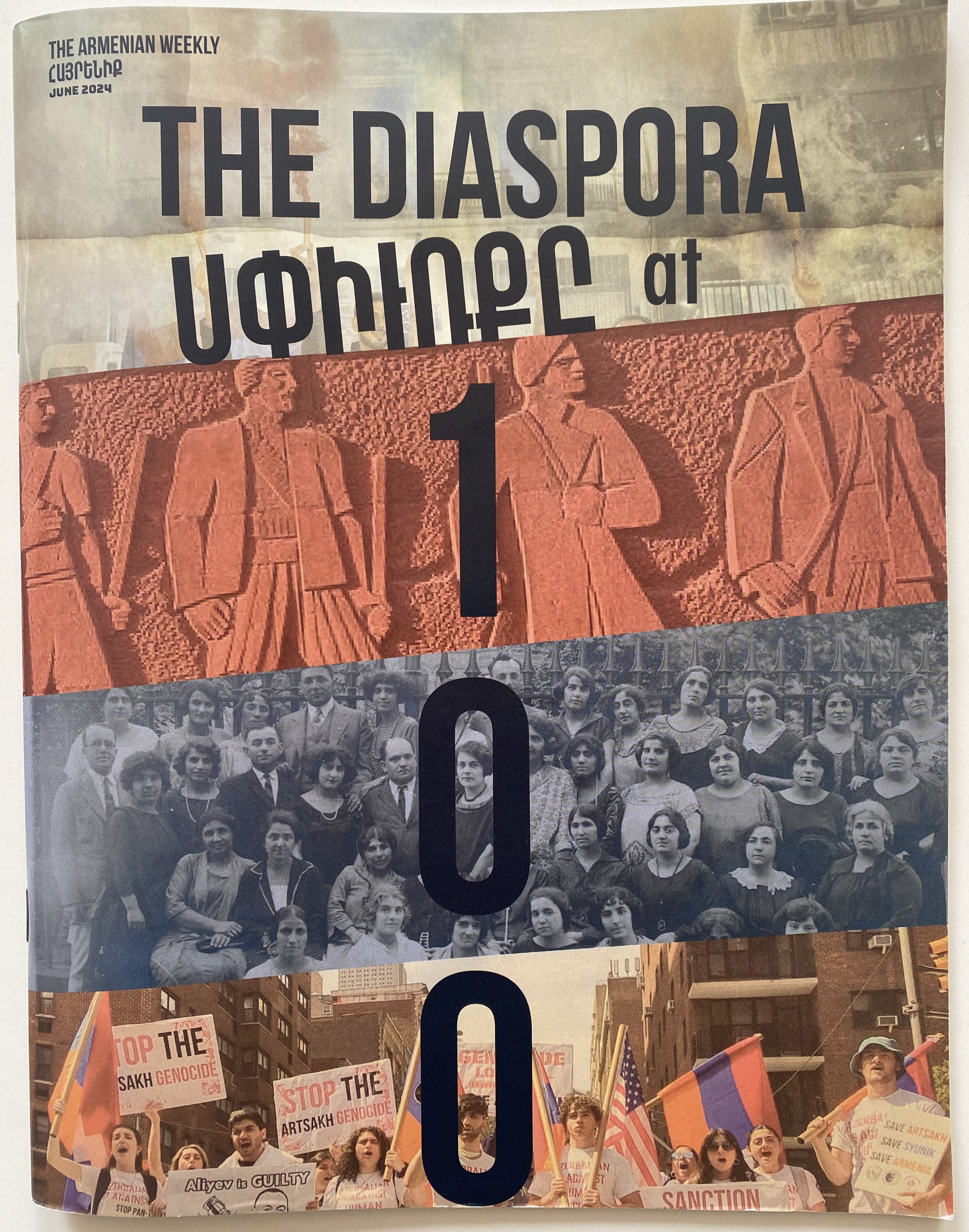
Hratch Tchilingirian, “’Being Armenian is a package.’ Some critical issues facing Diaspora organizations today,” in H. Oshagan and Kh. Tölölyan (eds.), The Diaspora at 100. (Boston: The Armenian Weekly), June 2024: 60-61.
2024-07-18 - 10. Ethnic Cleansing: Does International Law Still Matter?
-
Human Rights Violations and Aggression subject of Bishop Grigoris Balakian Annual Lecture
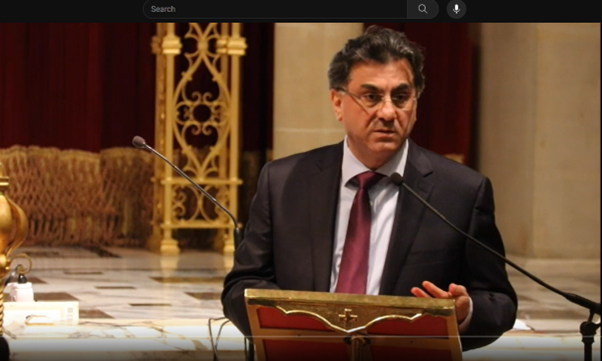
Diocesan Newsletter. London, 20 March 2024— Critical issues of ethnic cleansing and international law was the subject of the inaugural Bishop Grigoris Balakian Annual Lecture, a new initiative of the Diocese of the Armenian Apostolic Church of the United Kingdom and Ireland.
Two distinguished speakers, Lord Alton of Liverpool and Dr Arman Tatoyan delivered compelling lectures on the topic of “Ethnic Cleansing: Does International Law Still Matter?” at St. Yeghiche Armenian Church in London on March 19th.
In setting the larger context of the annual lecture, Dr Hratch Tchilingirian, in his opening remarks as chair of the proceedings, said: “We are here tonight because “‘Never Again’ is again, and again, and again… We are gathered because crimes against humanity and human rights abuses are being committed before our very eyes from the Middle East to the Caucasus, to Eastern Europe, Asia, Central America and many parts of the world.”
2024-04-19 - 11. Pázmány Péter Catholic University
-

Lecture: "What is the Diaspora Thinking? The Armenian Diaspora Survey", Armenian Studies Department,
Pázmány Péter Catholic University, Budapest, 12 Apr 2024.
2024-04-19 - 12. Tölölyan Honored as Preeminent Scholar of Diaspora Studies
-
 Tölölyan Honored as Preeminent Scholar of Diaspora StudiesCynthia Rockwel l The Wesleyan Connection, November 12, 2019... Director of the ADS, Hratch Tchilingirian, associate of the Faculty of Oriental Studies at Oxford University, thanked Tölölyan for his service on the project, noting “In addition to his brilliant scholarship and numerous academic accolades, Khachig Tölölyan is a wonderful human being. He shares his enormous, accumulated wisdom with intellectual humility; engages with everyone with grace and empathy; and empowers others with generous and sincere acknowledgment and encouragement.”2024-03-07
 - 13. Ermeni Kilisesi’nin ABC’si
-
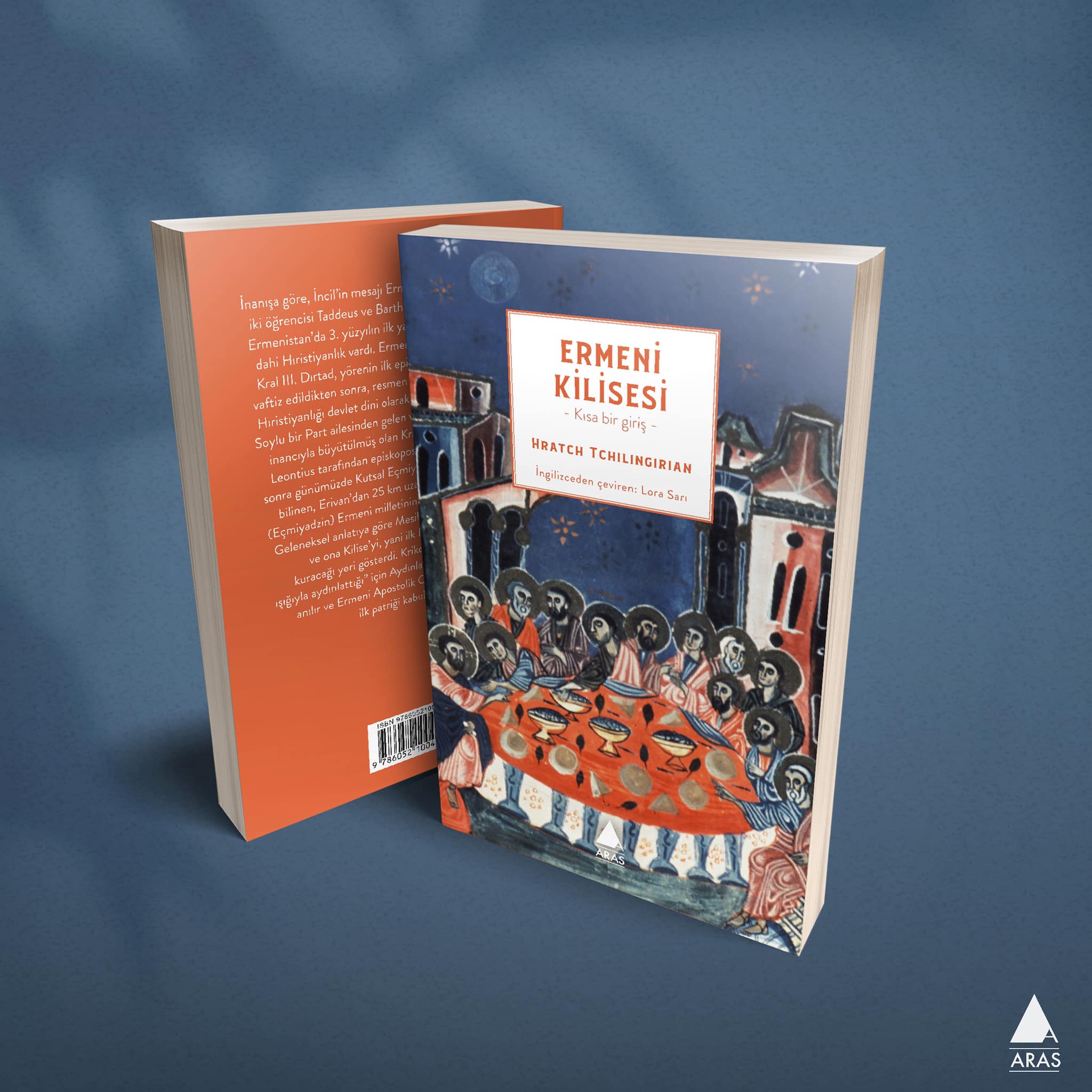
Ermeni Kilisesi’nin ABC’si
Arakel Armadyan
Türkçedeki Hıristiyan ilahiyatı literatürü nicelik ve nitelik olarak istenilen düzeyde olmasa da özellikle son 15 – 20 yıldır azınsanmayacak sayıda telif ve tercüme kitabı okuma şansımız oldu. Ancak maalesef Ermeni Kilisesi ve ilahiyatı üzerine bugüne kadar Türkçede çok az sayıda kaynak bulunuyordu. Aras Yayınları’ndan çıkan Hratch Tchilingirian’ın ‘Ermeni Kilisesi: Kısa Bir Giriş’ kitabı bu alandaki boşluğu doldurmaya yönelik önmeli bir adım niteliği taşıyor. Ermeni Apostolik
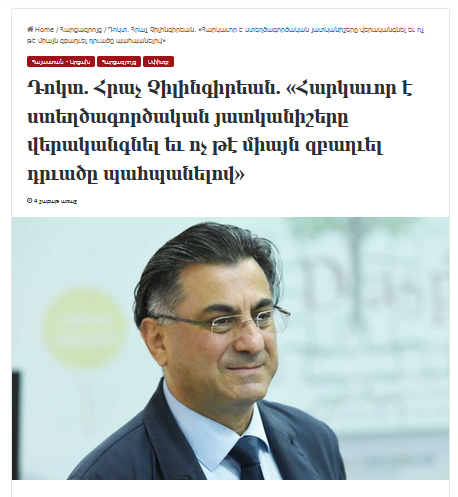
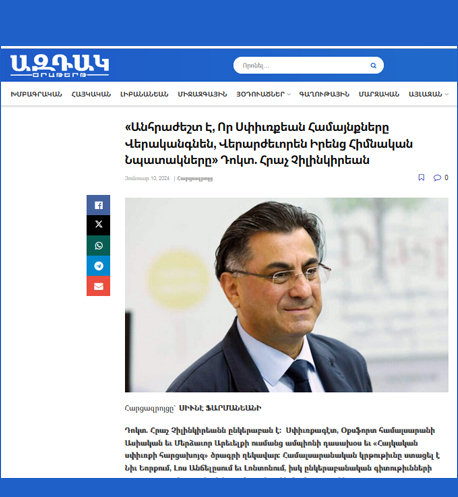
2024-03-07 - 14. Հարկաւոր է ստեղծագործական յատկանիշերը վերականգնել
-
2024-01-10
- 15. Արցախահայութեան օժանդակութիւնը կրկին օրակարգի վրայ կը դնէ Սփիւռքի կառոյցներու խնդիրը
-


Արցախահայութեան օժանդակութիւնը կրկին օրակարգի վրայ կը դնէ «Սփիւռքի կառոյցներու» խնդիրը
Darperag21.net, Նոյեմբեր 30, 2023
Արցախի աղէտը, ինչպէս Եղեռնի աղէտը, տասնամեակներ շարունակ սփիւռքահայութեան վրայ իր ազդեցութիւնը պիտի ունենայ: 44-օրեայ պատերազմէն ետք, Սփիւռքը «հոգեկան կաթուած»ի մատնուեցաւ, ու այդ ողբերգութեան ծանրութեան տակ` վրայ հասաւ արցախահայութեան էթնիք զտումը եւ Արցախի հայաթափումը: Բայց այսօր
2023-12-01 - 16. Հայկական «փափուկ ուժը» սփիւռքի մէջ
-
Տարբերակ21.net, Օգոստոս 6, 2023 «Արարատ» 11 Օգոստոս 2023
Վերջերջս հրապարակային քննարկման նիւթ կը դառնայ «փափուկ ուժ» (soft power) եզրը եւ անոր դերակատարութիւնը հայ իրականութեան մէջ: Փափուկ ուժի յղացքը հասկնալու համար բնականօրէն պէտք է դարձնել մետալը, ուր իշխող է «կարծր ուժ»ը (hard power). առանց մէկուն կարելի չէ հասկնալ միւսը:
2023-08-07 - 17. Reverse Engineering: A State-Created Albanian Apostolic Church
-
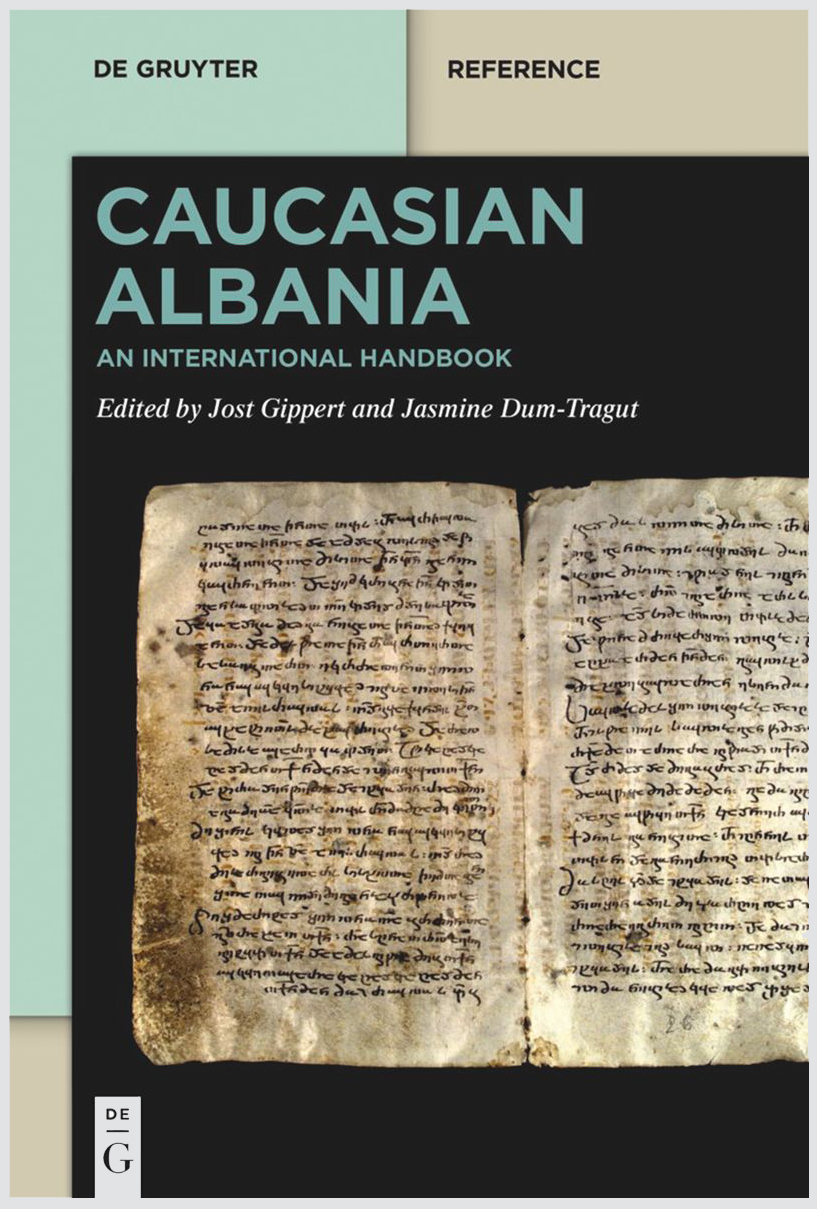 Hratch Tchilingirian (2023) “Reverse Engineering: A State-Created ‘Albanian Apostolic Church’” in Caucasian Albania. An International Handbook. Edited by Jost Gippert and Jasmine Dum-Tragut. Berlin, Boston: De Gruyter, 2023: 581-609, https://doi.org/10.1515/9783110794687-019.
Abstract: This Chapter provides a brief historical overview of Christianity in Nagorno-Karabakh in the wider context of the modern Azerbaijani-Armenian conflict and disputed territories. It then focuses on how the Azerbaijani state is constructing an “Albanian Apostolic Church” – variously called “Udi Church” or “Udi Orthodox Church” – as part of a new narrative that connects modern-day Azerbaijanis to ancient peoples, cultures and early Christianity in the Caucasus. The common features of this state-“engineered” narrative are denial of facts, erasure of evidence and reinvention of history, which goes back to Soviet times.
2023-06-15 - 18. Hratch Tchilingirian’ın Ermeni Kilisesi kitabı Aras’ta çıktı
-
Hratch Tchilingirian’ın Ermeni Kilisesi kitabı Aras’ta çıktı
2023-06-07 - 19. Armenian Diaspora Survey 2022
-
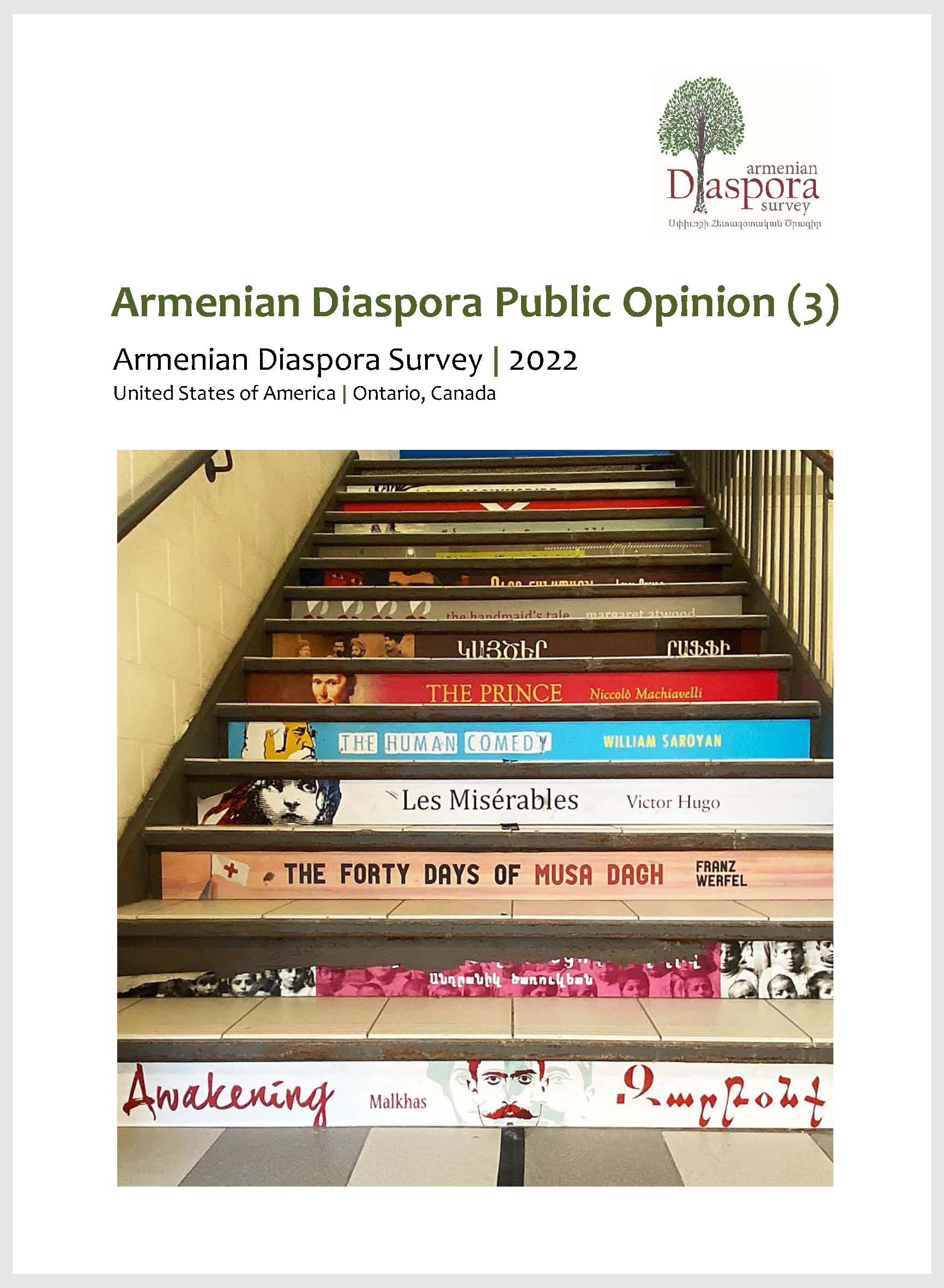 Hratch Tchilingirian (editor), Armenian Diaspora Public Opinion (3). Armenian Diaspora Survey 2022 (United States of America and Ontario, Canada). London: Armenian Institute, 2023. (open access).2023-06-07
 - 20. Armenian Diaspora Survey 2021
-
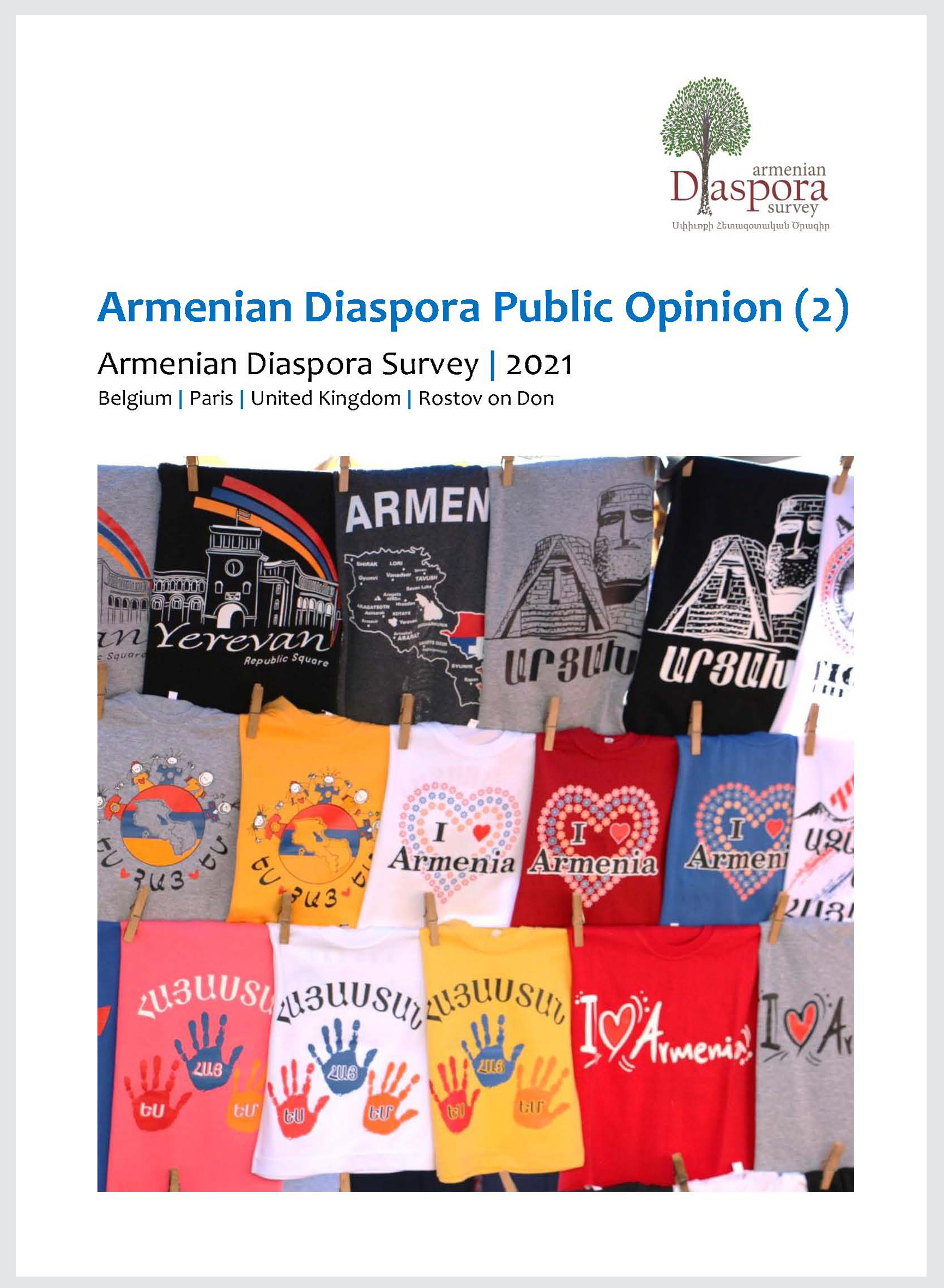
Hratch Tchilingirian (editor), Armenian Diaspora Public Opinion (2). Armenian Diaspora Survey 2021 (Belgium, Paris, United Kingdom, Rostov on Don). London: Armenian Institute, 2023 (open access).
2023-06-07